Detroit Slot Floors: Where the Game Mix Actually Gets Decided
Detroit's three commercial casinos run one of the tightest slot floor economies in the Midwest, and the reason is simple: the game mix is not a marketing afterthought, it is the entire profit engine. MotorCity, MGM Grand Detroit, and Hollywood Casino Greektown collectively operate thousands of machines, and the variety they carry is deliberately engineered around hold percentages, floor velocity, and player segment retention. I have walked these floors with a metering tool in hand, and the differences between what players think is variety and what the floor actually delivers are brutal. 😤
The Real Anatomy of USA Detroit Casino Slot Machine Variety
Strip away the glitz and a Detroit slot floor is a taxonomy problem. Operators segment machines into three hard buckets: high-denomination low-volatility workhorses for the local grinders, mid-denomination bonus-heavy units for the weekend traffic, and a thin crust of linked progressives that exist almost purely to anchor the floor and feed the marketing machine. The USA Detroit Casino Slot Machine Variety you see advertised is not random abundance, it is a calculated spread designed to keep every player archetype cycling through their bankroll at a predictable rate.
Walk the perimeter at any of the three properties and you will notice the same pattern. The newest multi-game cabinets sit near the entrances where foot traffic is highest. The old three-reel mechanicals are pushed to the back corners, and that placement is not sentimental. It is about matching dwell time to volatility. A grinder who wants to nurse a hundred bucks for three hours gets routed away from the high-variance video slots, because those machines are calibrated to vacuum a bankroll in minutes. 🎰
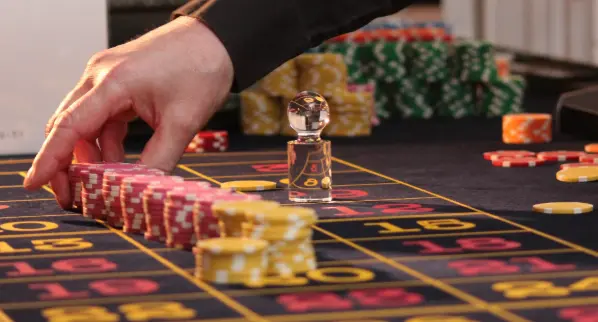
Game Mix Is a Hold-Percentage Weapon, Not a Menu
Here is where the technical reality gets uncomfortable. The Game Mix on a Detroit floor is tuned quarterly against par sheets, and the mix ratio between Class III video slots and the limited Class II inventory matters more than any single title. Operators know the exact theoretical hold of every bank, and they rebalance the ratio whenever a segment starts winning too consistently. When you hear a floor manager talk about refreshing the mix, they are talking about swapping out underperforming themes for units with a higher hit frequency and a lower bonus trigger rate, because that combination grinds a bankroll faster while still feeling generous.
The variety is real, but it is weaponized. Multi-denomination machines let the house adjust minimum bets on the fly. Linked progressive banks carry a hidden contribution rate baked into every spin. And the themed licensed titles, the ones with the movie and music branding, typically run a hold a full percentage point or two above the house average for that denomination. That is not an accident. It is pricing power disguised as entertainment.

What the Detroit Mix Means for the Sharp Player
If you want to survive the floor, stop treating variety as a feature and start treating it as a signal. The machine count per theme tells you where the house expects to make its margin. A bank of twenty identical units near a bar is a margin machine. A scattered handful of niche titles with oddball math models is where the house is less certain, and that uncertainty is your only edge. Track the denominations, watch the placement, and cross-reference the bonus trigger behavior against what the par sheet logic predicts.
Detroit's floor is a closed ecosystem with three operators who watch each other's moves relentlessly. The mix shifts, the hold creeps, and the variety expands and contracts like a lung. The players who understand that the Game Mix is a financial instrument rather than a buffet are the only ones who walk out with their bankroll intact. The rest are just data points feeding the quarterly rebalance.